Weathering, Mass Wasting, and Erosion
Weathering and Mass Wasting
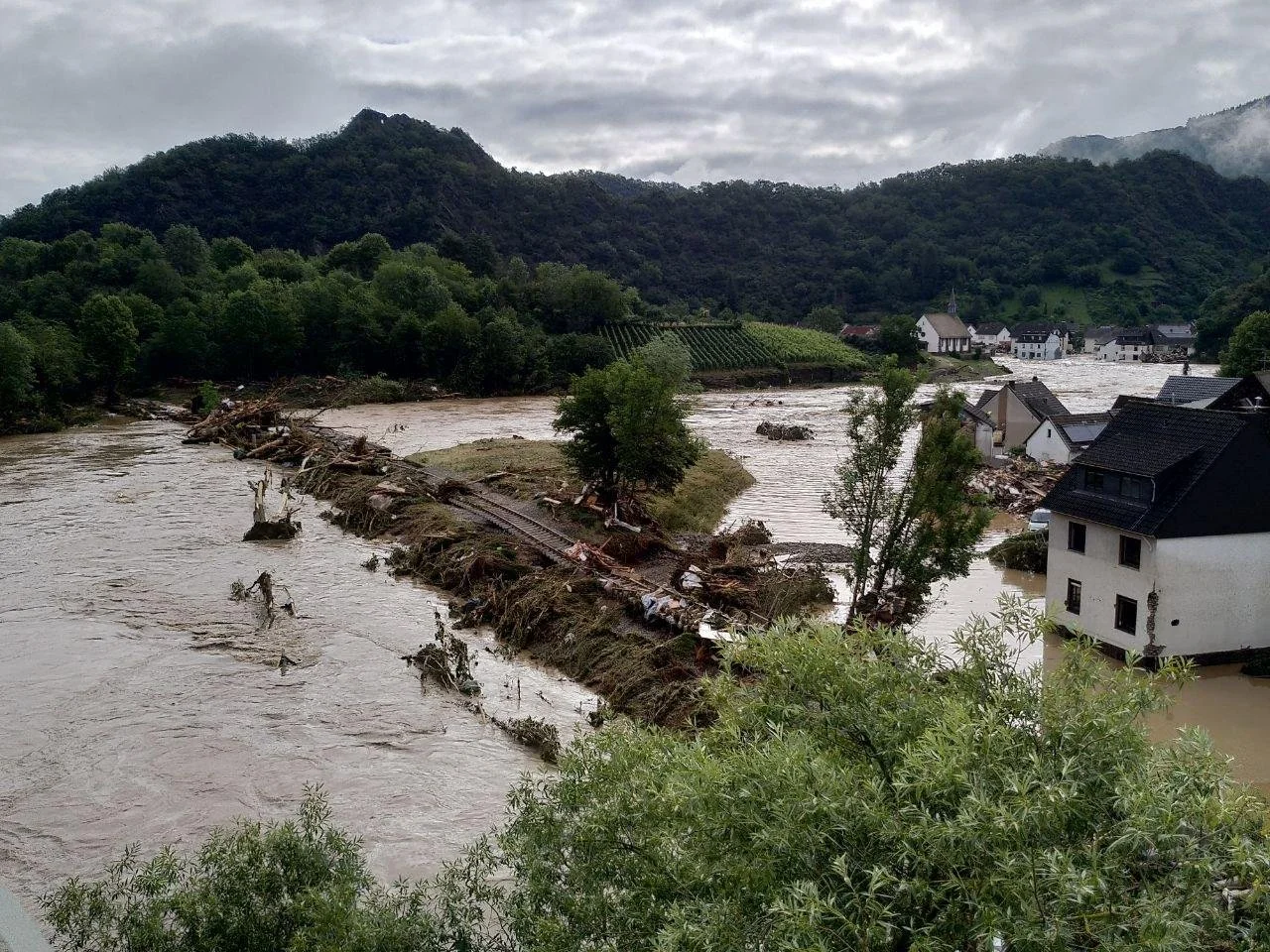
Carbonation weathering is common in regions like the Swabian and Franconian Jura because of the Limestone there. Much of the soil is formed from hydrolysis throughout the country. One disaster that Germany suffers from frequently is flooding. The Central European floods in 2021 triggered landslides, causing significant damage in western Germany. Afterward, the government improved warning systems, hazard maps, and flood-control infrastructure.
Water Erosion
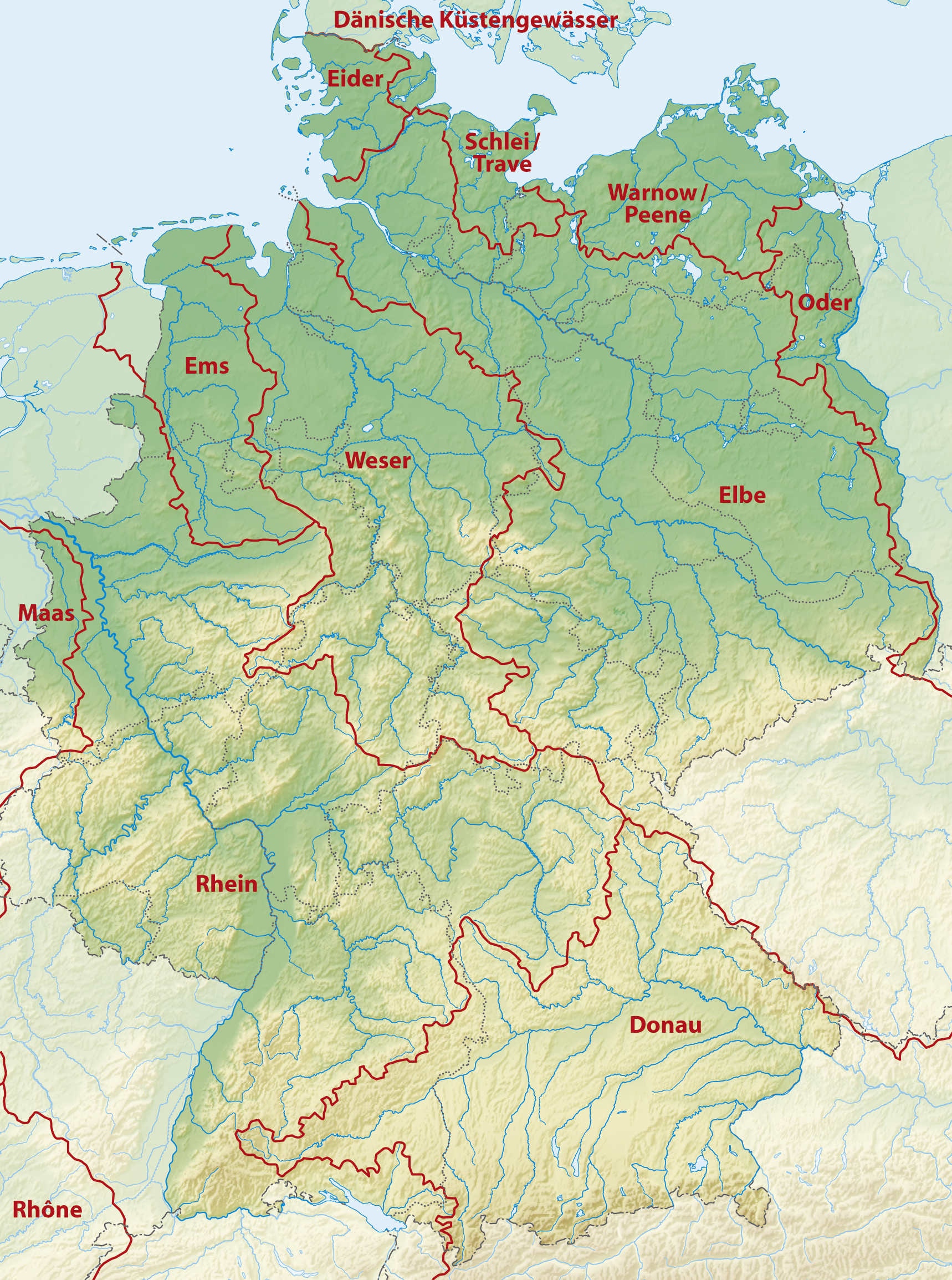
I discovered that the Rhine and Danube are two of the country's most important rivers. The Rhine begins in the Swiss Alps and flows north to the North Sea, while the Danube begins in Germany's Black Forest and flows east to the Black Sea. Both rivers are mostly meandering and support trade, transportation, agriculture, and tourism. However, river erosion and flooding can damage farmland, infrastructure, and nearby communities. To reduce these risks, the German government uses levees, reinforced riverbanks, flood-control systems, and wetland restoration projects to help manage erosion and flooding.
Wind Erosion
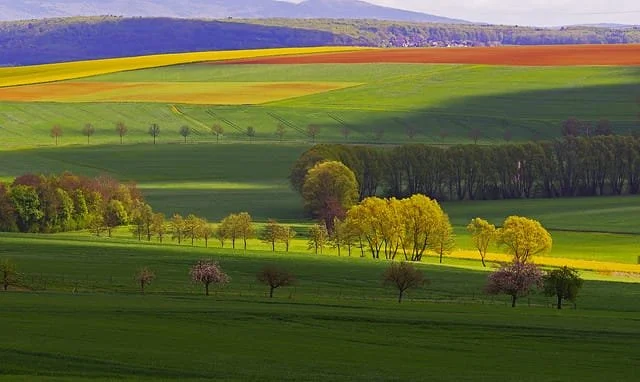
Germany experiences a little wind erosion, specifically on agricultural land. To reduce this, farmers can use cover crops and tree windbreaks. There are no deserts in Germany, and desertification is not a problem. However, droughts and climate change are causing concerns about soil degradation in some regions.
Glaciers
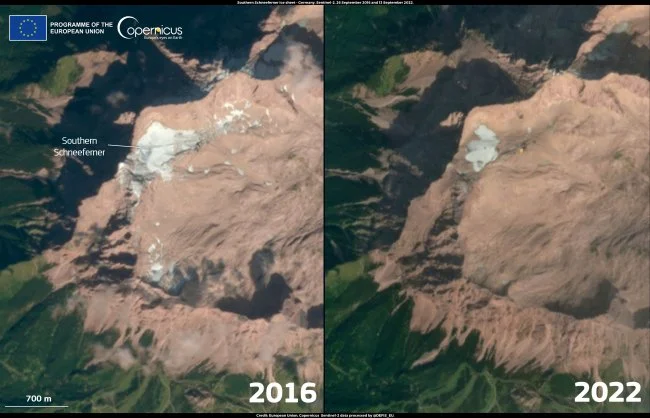
There are still a few glaciers in the Bavarian Alps. Sadly, they are shrinking because of climate change. The most famous is the Northern Schneeferner Glacier near Zugspitze.
Glaciers covered most of northern Germany in the last Ice Age. These formed features, such as lakes and moraines. There is concern about the shrinking of modern glaciers since the freshwater is important for the economy and environment.