Flooding
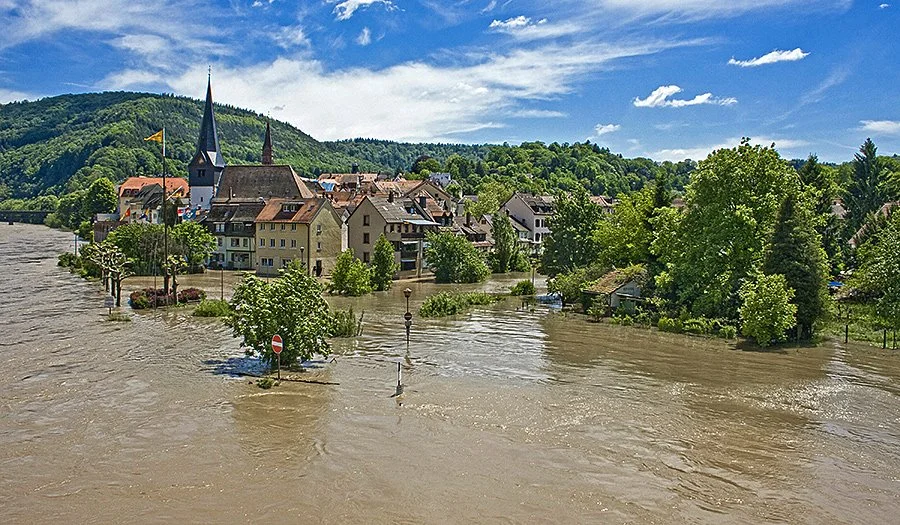
Floods absolutely occur in Germany. There are almost annual floods along major rivers during winter and spring as snow melts and rain falls. There are also unpredictable flash floods from summer downpours.
Efforts were made in 2013 after floods were triggered by a Vb cyclone. The National Flood Protection Program (NHWSP) was created to improve flood protection. This included 242 individual measures, such as 33 dike relocations and 61 managed flood retention areas. This effort would cost 6.7 billion. As of November 2022, only 9 measures had been implemented. Essentially, the government claims that flood protection and prevention are up to the local areas and claims that its job is primarily to give warnings.
Land and River Trade Routes
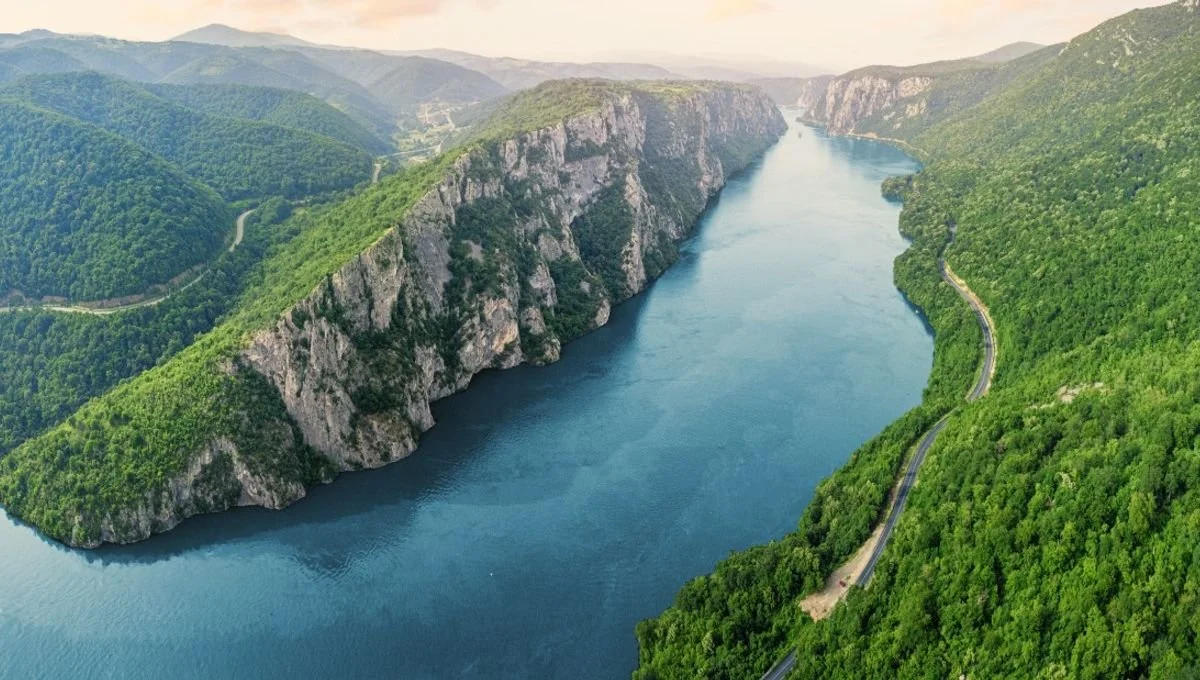
Because Germany is a central country in Europe, it has become one of the continent’s most important transportation and trade hubs. The Rhine River is the primary river trade route in Germany, while the Danube River connects southern Germany to eastern Europe. One issue with trade routes is the Bavarian Alps along Germany’s southern border.
Some of Germany’s largest trade partners are the United States, France, the Netherlands, and China. The aforementioned countries, plus Italy and Poland, are major sources of imports.
United States: US$164.7 billion (9.3% of Germany’s total exports)
France: $132.5 billion (7.5%)
Netherlands: $126.5 billion (7.2%)
Poland: $112.9 billion (6.4%)
Italy: $94.2 billion (5.3%)
mainland China: $91.8 billion (5.2%)
In 2025, Germany exported $1.765 trillion of products. This makes it the third-largest exporter behind China and the US.
Oceans, Ocean Trade Routes, and Islands
The North Atlantic Current influences Germany’s climate, keeping it milder. It also borders both the North Sea and Baltic Sea, which further moderates the temperature.
Major ports such as Hamburg are not only instrumental but historic. In the past, German cities were part of the Hanseatic League (Hanse was a medieval German word for “guild”), which was founded to protect their mutual economic interests. An estimated 95% of Germany’s international trade is done through ocean trade routes. The major routes move through the Suez Canal to Asia, the North Atlantic to North America, and the Baltic Sea handles regional European exchange.
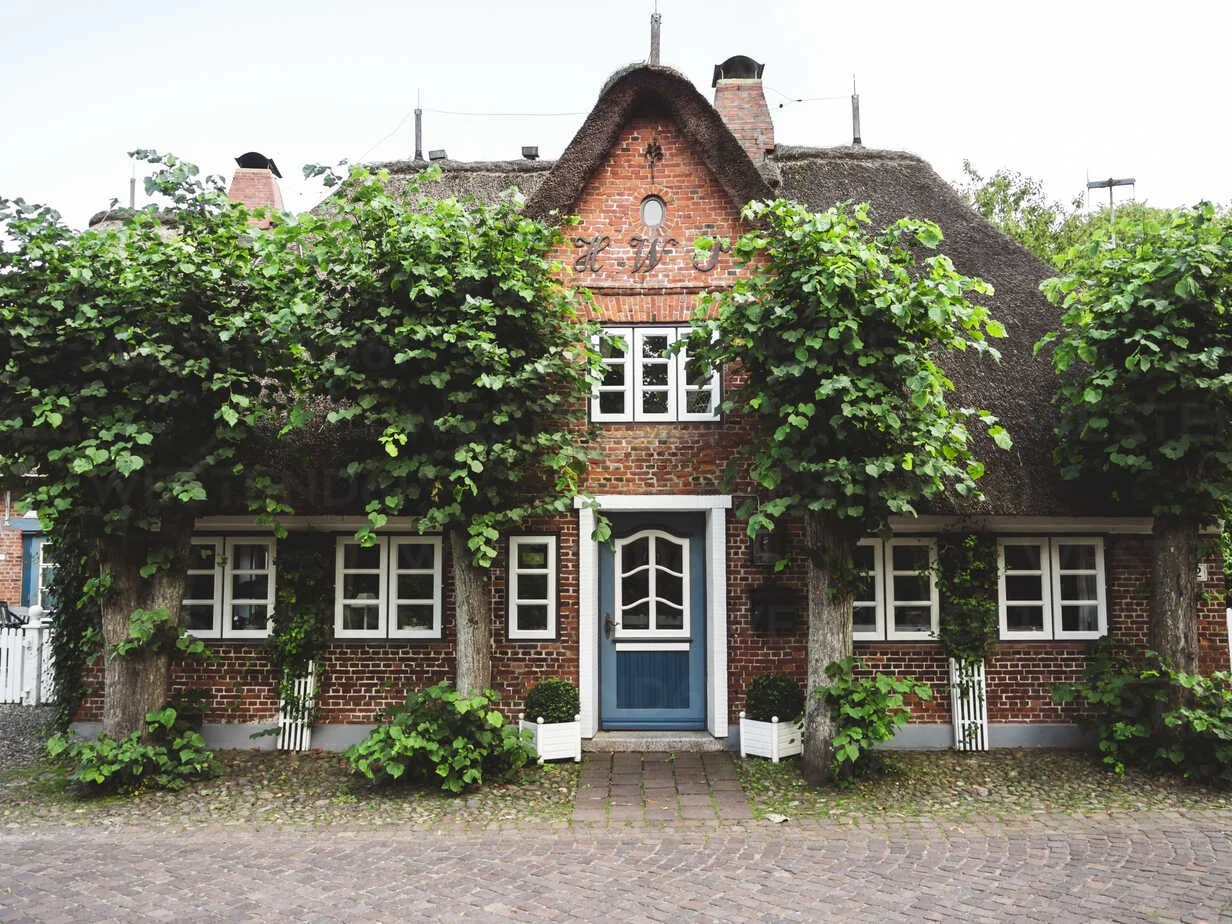
Germany has dozens of islands, such as Sylt and Rugen. They rely on tourism and fishing for revenue. One cool thing about the culture is the Captains' Houses. They are traditional homes featuring iconic low-brick homes with thatched roofs, often surrounded by brightly painted doors and vibrant, blooming gardens.
Coastlines and Hurricans
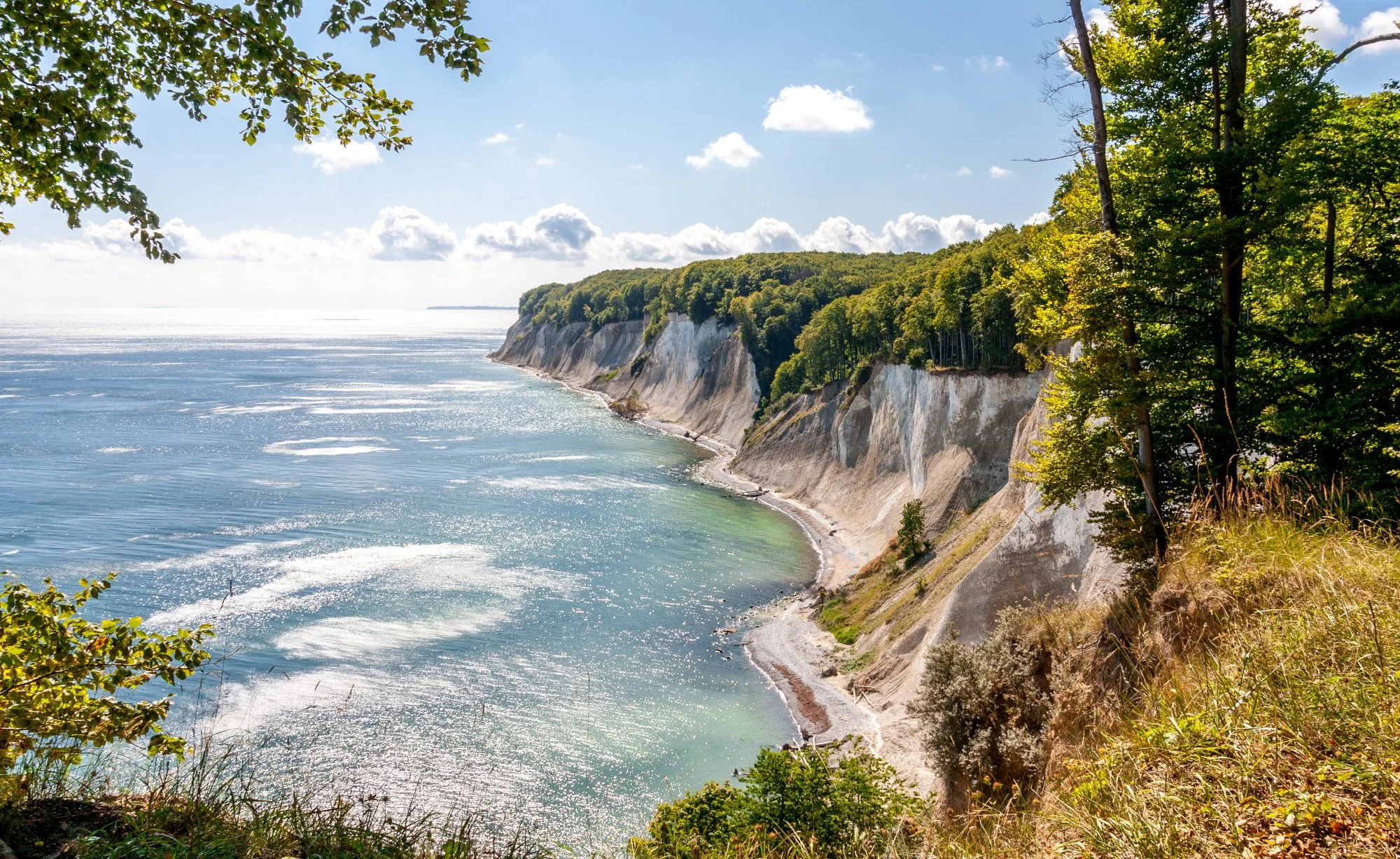
Germany has two coastlines, touching the North Sea and the Baltic. The North Sea coast is sand which form dunes. Massive dikes have been built during the last three centuries, helping to maintain the mainland coast. The coast of the Baltic has no visible tides. During winter, most of the coastline is covered with ice. Shallow lagoons, called Haffs, run parallel with the coast.
Germany does not experience typical tropical hurricanes. It is hit by devastating extratropical cyclones, also known as European windstorms. An example would be Cyclone Kyrill in 2007.