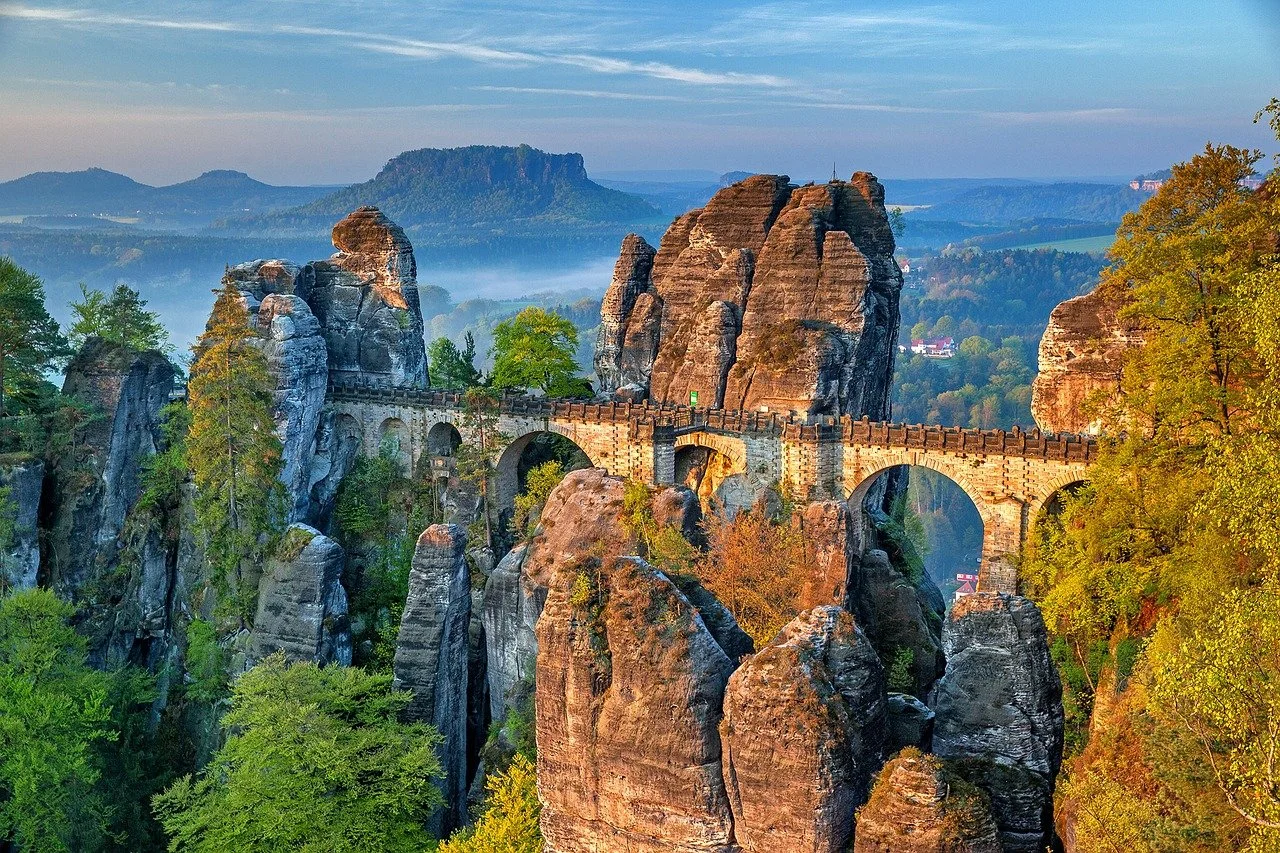
Germany
Historical Info
In 1871, multiple German-speaking states unified to become what we know as modern Germany.
After participating in World War 1, Germany suffered from economic struggles and political unrest, which dramatically altered its future course.
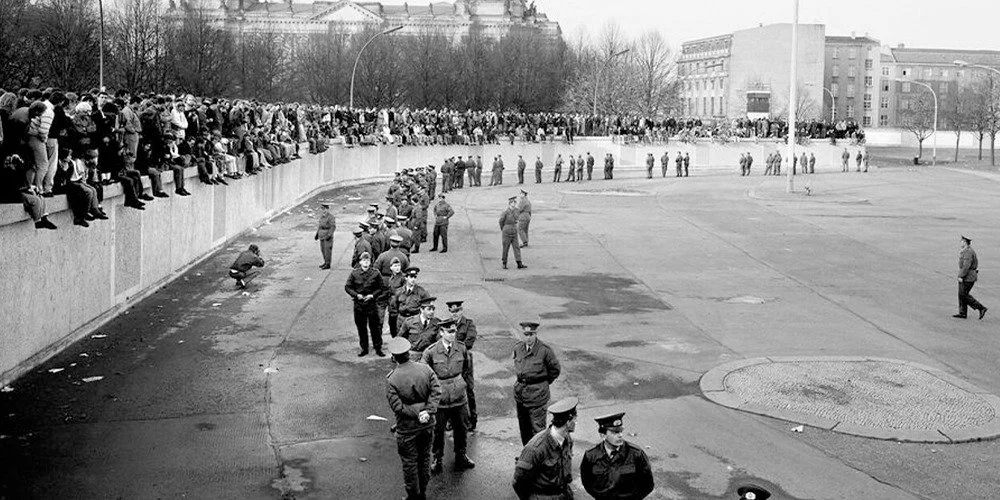
After World War 2, Germany was divided into East and West Germany by the Berlin Wall. The Berlin Wall eventually fell in 1989, and Germany was reunified in 1990.
Culture
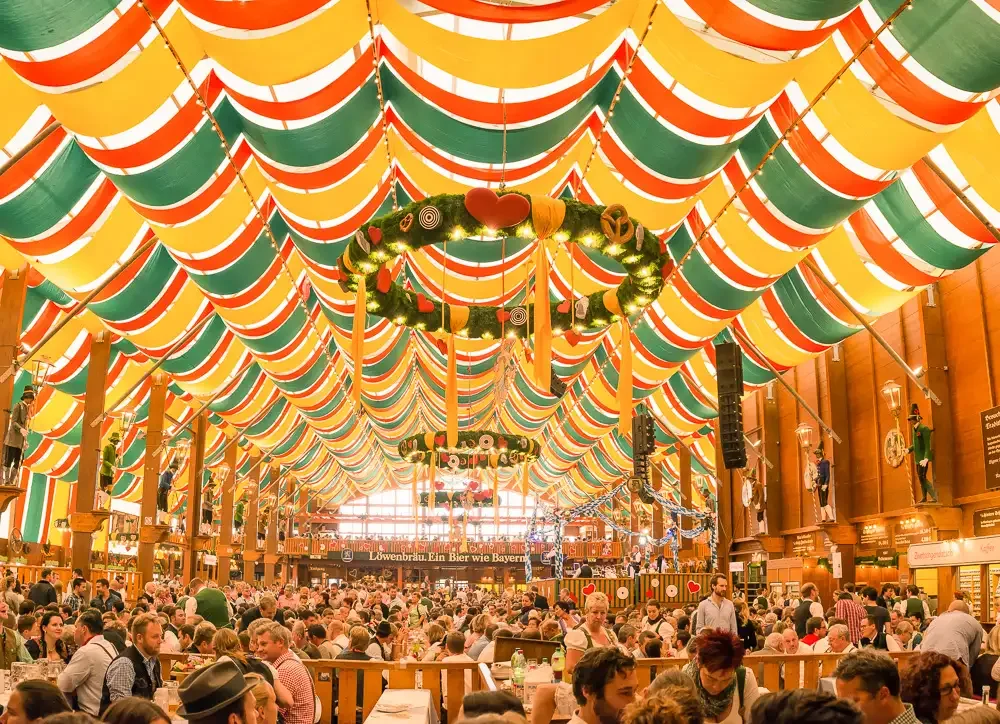
Oktoberfest began in 1810 in Munich and has since spread worldwide. It shows Bavarian traditions, such as Drindl and Lederhosen. For cuisine, they eat Schnitzel, Pork Knuckle, Bratwurst, etc. Germany's first roller coaster debuted at Oktoberfest.
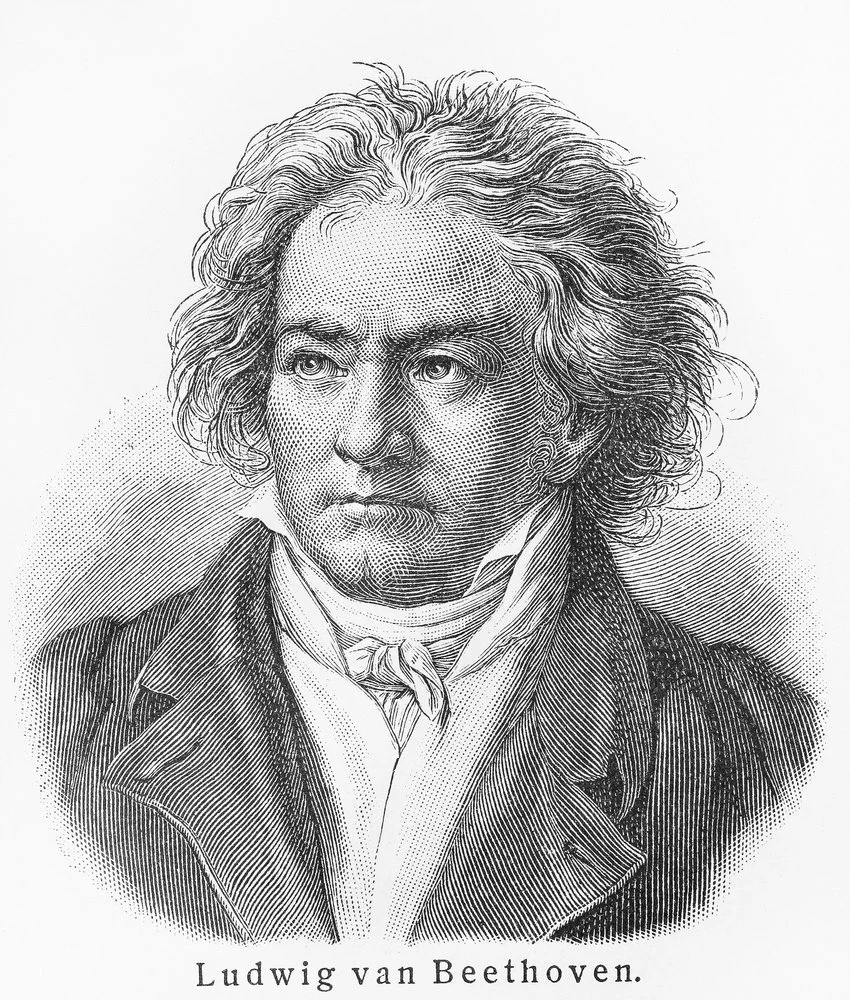
Many influential musicians and thinkers were German, including Beethoven, Bach, and Immanuel Kant. It was also the birthplace of the modern printing press!
Football (Soccer) is the most popular sport in Germany and has some of the most prolific clubs.
Social Information
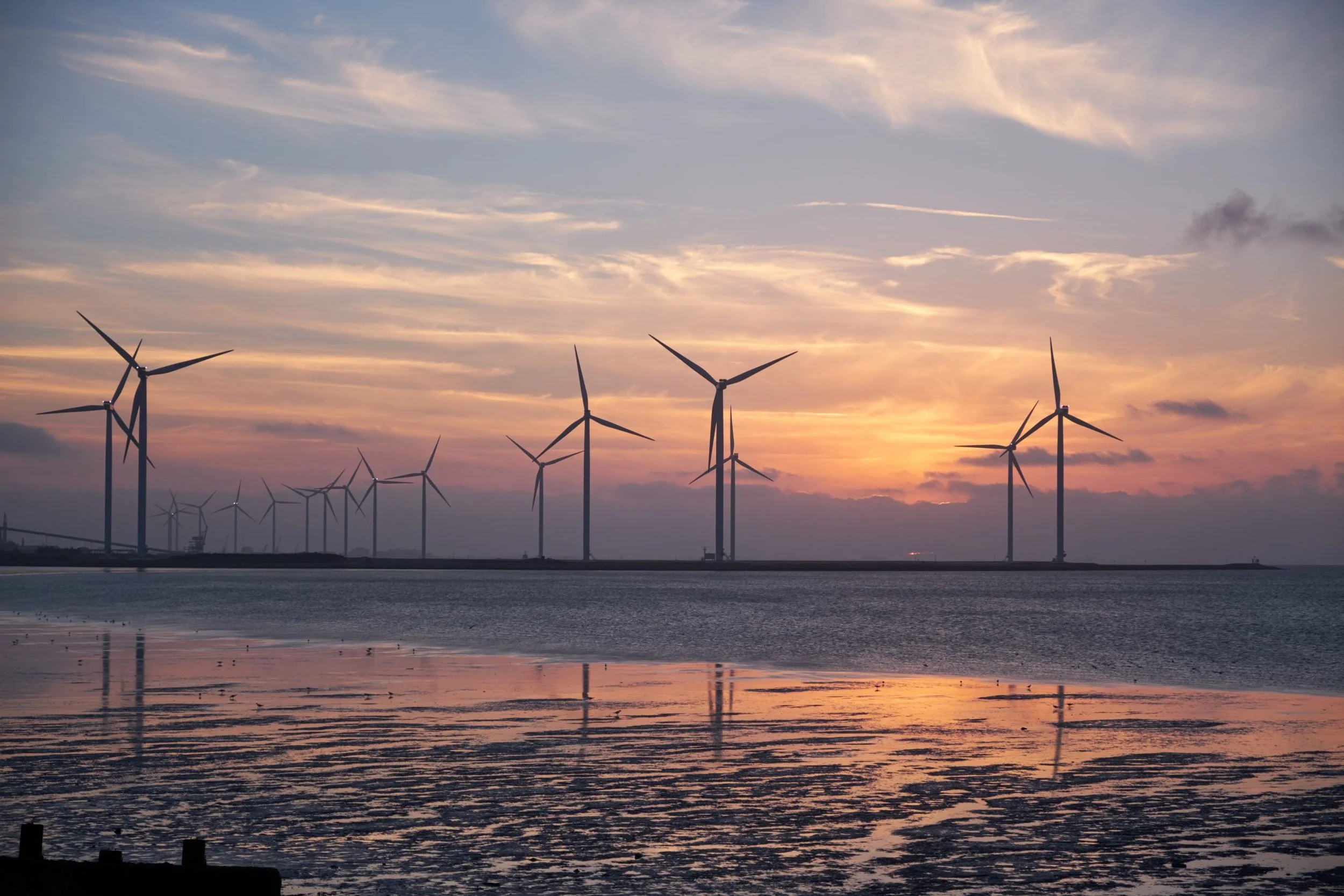
Germany is very focused on clean and renewable energy. In 2025, 27% of its energy came from wind, and 18% from solar.
This environmental awareness is evident in their travel methods as well, with extensive rail systems and an emphasis on biking.